Africa’s energy producers are emerging as unexpected long-term beneficiaries of the Middle East conflict, according to oil analysts.
Angola, Mozambique, and Nigeria are among nations increasingly viewed by European and Asian buyers as lower-risk alternatives to disrupted supplies: With the Strait of Hormuz and Red Sea now high-risk routes, African volumes carry lower insurance premiums and more predictable delivery times — structural advantages that could reshape long-term supply contracts.
Africa’s liquefied natural gas sector stands to gain most; export capacity is projected to more than double by 2040, according to the African Energy Chamber. The crisis could also accelerate long-delayed projects, including the Trans-Saharan pipeline designed to carry Nigerian gas through Niger and Algeria to Europe, which has been beset by safety and security concerns in the Sahel region.
Horizon Engage risk analyst Clementine Wallop warned, however, that while Africa was a “logical place to look,” the risks some of these projects have faced — security, political, or logistical in nature — “show that this is not a quick fix.”
Potential gains for producer nations are nevertheless cold comfort for millions of ordinary Africans: The conflict has sent Brent crude surging more than 50% to around $110 a barrel, and since most African countries are net importers of refined oil products, the price shock has been swift and severe.

LATEST POSTS
- 1
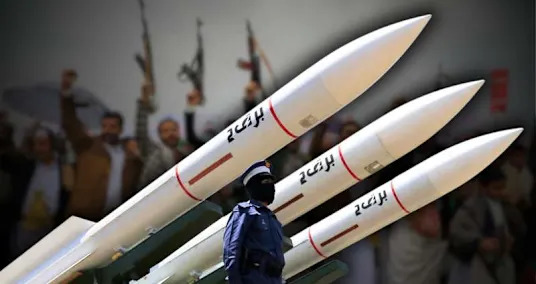
 First Houthi launch toward Israel since war began triggers alerts across the Negev
 - 2Stop the ‘good’ vs ‘bad’ snap judgments and watch your world become more interesting
- 3Between 600 to 800 aid trucks entering Gaza daily since start of ceasefire, COGAT confirms
- 4Norovirus infections increase significantly, with positive test rates reaching 14%
- 5I was about to film a movie with Glen Powell when my hair started falling out in clumps. Alopecia has made me unrecognizable as an actor.


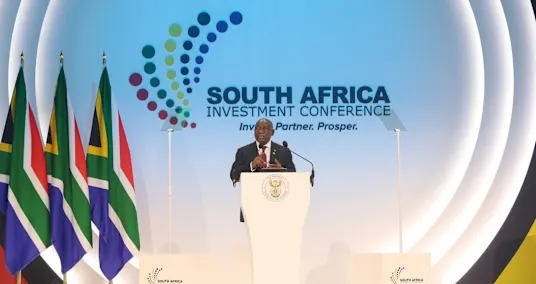
- South Africa pushes for $200B investment
- Flu cases are rising with a strain that makes older people sicker
- UN warns civil liberties under threat due to war in Middle East
- High-Suggested Broilers For Your Homes
- Interstellar comet 3I/ATLAS reveals weird wobbling jets in rare sun-facing tail
- A Gustav Klimt painting is now the most expensive piece of modern art sold at auction. The fascinating history behind the $236 million 'Portrait of Elisabeth Lederer.'
- The many ways that baking is winter therapy. With a delicious ending
- Timex Gives Its Classic Affordable Field Watch a Tactical, Milspec Makeover
- Elvis Presley's Infamous Pantera Shooting